Autism and Learning– Bridging Home, School, and Emotional Wellbeing

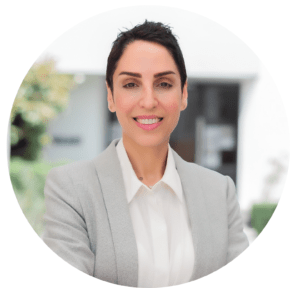
Understanding autism goes far beyond recognizing behaviors,  it requires insight into how a child thinks, learns, and experiences emotions across environments. In this worldwide webinar, Educational Psychologist Dr. Ruba Tabari explores the deep connection between autism, learning processes, and emotional wellbeing.

This session will provide parents, educators, and professionals with a clearer understanding of how autism impacts academic engagement and emotional regulation, and how psycho-educational assessments can guide meaningful, individualized support strategies. Participants will also gain insight into common co-occurring challenges that may influence a child’s progress at home and in school.

By bridging home and school through informed, evidence-based approaches, this webinar aims to empower families and educators to create consistent, supportive learning environments where autistic children can thrive.

Objectives

1. Understand how autism impacts learning, emotional regulation, and overall school experience.

2. Explore how psycho-educational assessments inform practical, individualized strategies for both home and school settings.

3. Recognize common co-occurring challenges and their influence on academic and emotional development.

About the Speaker

From Meltdowns to Mastery: An Emotional-Regulation Toolkit 4Dr. Ruba Tabari is a Consultant Educational Psychologist with over 30 years of experience supporting children, families, and schools in the UK and UAE. She holds a Doctorate in Educational Psychology from University College London (UCL) and is licensed under the Health and Care Professions Council (HCPC) in the UK and the Community Development Authority and Department of Health in the UAE.

Dr. Ruba has played a pivotal role in shaping wellbeing and inclusion initiatives across educational institutions. She was instrumental in developing the Wellbeing Policy Framework for private schools and nurseries under the Abu Dhabi Department of Education and Knowledge (ADEK).

Her work is guided by the belief that empathy and connection form the cornerstone of every child’s development. Through her extensive experience and compassionate approach, Dr. Ruba continues to empower educators and families to nurture emotional intelligence and resilience in children.

Register now!

Primitive Reflexes and Neurodevelopment: How Occupational Therapy Supports Neurodivergent Children

This webinar explores the role of early movement patterns (primitive reflexes) in neurodevelopment and how their persistence may influence balance, coordination, attention, and emotional regulation. Grounded in occupational therapy practice, the session highlights how developmentally informed, function-focused interventions can support neurodivergent children in meaningful participation across daily routines, learning, and play.

Designed for parents, educators, and professionals, this webinar offers a balanced blend of developmental understanding, clinical insight, and practical application.

Objectives:

Participants will:

1.Develop an understanding of primitive reflexes within neurodevelopment, and how early movement patterns may influence balance, coordination, attention, and emotional regulation.

2.Explore the role of Occupational Therapy in supporting functional development, using movement, sensory input, and play to promote daily participation.

3.Gain practical, developmentally informed strategies that support regulation, confidence, and comfort within everyday routines for neurodivergent children.


About the Speakers

Primitive Reflexes and Neurodevelopment: How Occupational Therapy Supports Neurodivergent Children 1Dr. Raghida Achkar
Dr. Raghida Achkar is a Neuro-Paediatric Occupational Therapist with over 20 years of clinical experience, supporting infants, children, and adolescents with neurodevelopmental, neurological, orthopaedic, and learning challenges across the Middle East. Her expertise includes Sensory Integration, NDT Bobath, Primitive Reflex Integration, Neurofeedback, ADOS-2, early intervention, motor and functional rehabilitation, and parent training. She is known for her collaborative, family-centred, and neuro-affirming approach to care.

Primitive Reflexes and Neurodevelopment: How Occupational Therapy Supports Neurodivergent Children 2Emy Preskilla
Emy Preskilla is an Occupational Therapist with five years of clinical experience in pediatrics, mental health, and neurodevelopmental care. She is a recipient of the Vijay Supple Award for Best Scientific Paper in Mental Health (AIOTA) and is trained in Autism intervention, Cognitive Rehabilitation, and Primitive Reflex Integration. Emy brings a holistic, evidence-based perspective to her practice, aligned with TDCC’s mission of inclusive, child-centred care.

Join us for this insightful session and empower your child with the skills they need to succeed!

Sign up now!


Building Flexibility: Teaching Children with Autism to Navigate Transitions Successfully

Transitions and unexpected changes in routine can be particularly challenging for some children with autism, often leading to heightened stress, resistance, or behavioral difficulties. Whether it’s moving from one activity to another, adjusting to a new environment, or coping with unplanned changes, these moments can significantly impact a child’s daily functioning at home and at school.

In this webinar, Building Flexibility: Teaching Children with Autism to Navigate Transitions Successfully, participants will explore why transitions are difficult for some children and how flexibility can be taught as a meaningful life skill. Led by a BCBA and Head of ABA Therapy, the session will focus on practical, ABA-informed strategies that support smoother transitions while promoting independence, confidence, and adaptability over time. Parents, educators, and professionals will leave with actionable tools that can be applied across everyday routines and environments.

Objectives

By the end of this webinar, participants will be able to:

1.Understand why transitions and sudden changes in routine can be challenging for some children with autism.

2. Apply practical strategies to support smoother transitions and manage unexpected changes at home and in school settings.

3. Develop approaches to gradually build flexibility and independence as children learn to adapt to change over time.

About the Speaker

Building Flexibility: Teaching Children with Autism to Navigate Transitions Successfully 3Sharareh Zainalian, M.A. Special Education, is a highly experienced Behavior Analyst with over 17 years of expertise supporting individuals with autism and developmental needs. She holds international certifications including BCBA, QBA, and IBA. Sharareh specializes in early intervention, inclusive education, and vocational training, and is known for implementing Skill-Based Treatment and leading multidisciplinary teams to drive meaningful outcomes in behavior and learning.

Join us for this insightful session and empower your child with the skills they need to succeed!


Sign up now!

Why Self-Regulation Matters: OT Strategies to Support Learning, Behavior, and Emotional Well-Being

Self-regulation plays a vital role in a child’s ability to learn, manage behavior, and navigate emotions effectively. When children struggle to stay calm, focused, or engaged, it often reflects challenges in sensory and nervous system regulation rather than motivation or discipline.

This upcoming webinar, “Why Self-Regulation Matters – OT Strategies to Support Learning, Behavior, and Emotional Well-Being,” explores how Occupational Therapy approaches can support children’s emotional and sensory regulation. Led by TDCC’s Head of Occupational Therapy Services, the session will provide practical, evidence-based insights for parents, educators, and caregivers supporting children at home and in school environments.

Friday, Jenuary 23rd at 5pm

Free and open to all, worldwide!

Objectives

By the end of this webinar, participants will be able to:

1. Understand what self-regulation is and why it significantly impacts learning, behavior, and emotional well-being.

2. Identify practical Occupational Therapy strategies that support emotional and sensory regulation.

3. Apply simple, effective tools at home or school to help children remain calm, focused, and engaged.


About the Speaker

Why Self-Regulation Matters: OT Strategies to Support Learning, Behavior, and Emotional Well-Being 4Deepti Khadye is a highly experienced Pediatric Occupational Therapist with over 18 years of international clinical experience across India, the UK, and the UAE. She holds a Master’s degree in Occupational Therapy from Queen Margaret University, Edinburgh, and has advanced training in Sensory Integration from the University of Southern California.

She has further expanded her clinical expertise through specialized training in Craniosacral Therapy from the Upledger Institute, USA, and Visceral Therapy from the Barral Institute, USA, enabling her to address nervous system regulation, physiological stability, and gut–brain interactions within neurodevelopmental care.

Deepti works with children and young adults with neurodevelopmental and sensory regulation challenges, applying an integrated Occupational Therapy approach that combines sensory-based OT with craniosacral and visceral strategies to support regulation, learning, and functional participation across home and school settings.

Register now!

Transforming Learning and Behavior in Children Who Learn Differently

The Developing Child Centre (TDCC) proudly presents a transformative webinar led by Debbie Gilmore, Executive Director of The Arrowsmith Program. This session explores how cognitive enhancement and brain-based interventions can reshape learning outcomes for children who learn differently. Families and educators will gain a deeper understanding of the cognitive factors that influence learning, attention, and behavior, and discover how targeted, research-driven approaches can unlock a child’s true potential. The webinar will also highlight the real-world impact of the Arrowsmith Program on academic success, independence, and long-term confidence.


Objectives

Participants will:

1. Understand the cognitive functions that affect learning, focus, emotional regulation, and classroom performance.

2. Explore how targeted brain-based interventions can strengthen weak cognitive processes and create lasting, meaningful improvements.

3. Learn how the Arrowsmith Program supports children in developing the skills needed to thrive in school, learning environments, and daily life.

About the Speaker:

Transforming Learning and Behavior in Children Who Learn Differently 5Debbie Gilmore is the Executive Director of The Arrowsmith Program and a respected leader in education with a rich background in literacy, inclusive learning, and school improvement. Her career spans roles as teacher, literacy adviser, assistant principal, principal, and administrator, where she consistently championed innovative and inclusive approaches that make a lasting difference in students’ lives.

Debbie discovered the Arrowsmith Program while leading diverse learning initiatives in Sydney’s Catholic Education Office. Captivated by its potential to transform cognitive functioning, she spearheaded its introduction into schools. Since becoming Arrowsmith’s Executive Director in 2013, she has led the program’s global growth and continues to collaborate with educators, clinicians, and families worldwide to promote cognitive strengthening as a pathway to improved learning.

As both an educational leader and a parent, Debbie has witnessed firsthand how Arrowsmith reshapes the brain, strengthens independence, and transforms the futures of children who learn differently.

Register now!

The Power of Environmental Sounds in Early Literacy

Listening is the first step to reading. In this insightful session, Anita Harris explores how children’s awareness of environmental sounds, from birds chirping to everyday household noises, forms the foundation for language and literacy development.

Part of TDCC’s Phonics Foundations Series, this webinar highlights how the Phase 1 Phonics framework nurtures attention, listening, and sound discrimination before formal reading begins. Through practical, evidence-based strategies, Anita demonstrates how sound awareness supports both neurotypical and neurodivergent learners in building strong communication and pre-reading skills.

This session is perfect for parents, educators, and early years advocates seeking to understand how tuning in to the world of sounds can spark lifelong literacy and learning.


Objectives

By the end of the session, participants will:

1. Discover how developing sound awareness in everyday environments builds the foundation for reading and language growth.

2. Learn practical, playful strategies to help children tune in to sounds before formal phonics instruction begins.

3. Understand the vital link between listening skills, phonemic awareness, and reading readiness in early learners.


The Power of Environmental Sounds in Early Literacy 6

About the Speaker

Anita Harris is an Early Years Practitioner and Learning Support Educator at The Developing Child Centre, dedicated to creating inclusive and engaging learning experiences for young children. With over five years of experience in international schools across Dubai, she brings a strong understanding of early childhood development, communication, and sensory-based learning.

Trained in the Monster Phonics program, Anita helps early learners connect sounds, language, and literacy through playful, evidence-based approaches. Her work reflects a deep belief that every child deserves the right foundation to listen, learn, and thrive.

Register now!

From Meltdowns to Mastery: An Emotional-Regulation Toolkit

The Developing Child Centre (TDCC) continues its mission to empower parents and educators through expert-led webinars that foster understanding and support for children’s emotional and developmental needs.
Our 72nd webinar, “From Meltdowns to Mastery: An Emotional-Regulation Toolkit,” offers valuable insights into the science and strategies of emotional regulation — a critical foundation for children’s growth, learning, and resilience.

Led by Dr. Ruba Tabari, Consultant Educational Psychologist, this interactive session explores how emotional dysregulation impacts behavior, and how adults can use evidence-based approaches to guide children toward calm, connection, and confidence both at home and in school.

Objectives

You will learn:

Recognize Emotional Dysregulation – Identify the signs and underlying causes of emotional outbursts and meltdowns in children.

Harness Co-Regulation – Understand how adults can model calmness and provide supportive guidance to strengthen a child’s emotional control.

Apply Practical Tools – Discover actionable strategies and daily routines to promote emotional balance, resilience, and wellbeing in home and school settings.

Whether you are a parent, teacher, or professional, this webinar provides an accessible framework to turn everyday emotional challenges into opportunities for connection and growth.

About the Speaker

From Meltdowns to Mastery: An Emotional-Regulation Toolkit 7Dr. Ruba Tabari is a Consultant Educational Psychologist with over 30 years of experience supporting children, families, and schools in the UK and UAE. She holds a Doctorate in Educational Psychology from University College London (UCL) and is licensed under the Health and Care Professions Council (HCPC) in the UK and the Community Development Authority and Department of Health in the UAE.

Dr. Ruba has played a pivotal role in shaping wellbeing and inclusion initiatives across educational institutions. She was instrumental in developing the Wellbeing Policy Framework for private schools and nurseries under the Abu Dhabi Department of Education and Knowledge (ADEK).

Her work is guided by the belief that empathy and connection form the cornerstone of every child’s development. Through her extensive experience and compassionate approach, Dr. Ruba continues to empower educators and families to nurture emotional intelligence and resilience in children.

Register now!

AAC in the Classroom

Augmentative and Alternative Communication (AAC) plays a vital role in giving children with communication challenges a voice in their learning journey. This webinar, AAC in the Classroom, explored how AAC empowers students to participate actively in class, supports independence, and fosters an inclusive environment where every child can thrive. Participants learned about practical tools, from simple visuals to advanced devices, and how these can be seamlessly integrated into daily classroom routines.

Objectives:

1. Discover how AAC provides every child a voice and supports active participation in the classroom.

2. Explore simple, practical AAC tools, from visuals to digital devices, that can be seamlessly integrated into daily learning.

3. Understand how AAC fosters confidence, independence, and inclusion for learners of all abilities.

About the Speaker:

AAC in the Classroom 8Vilahashini Manivannan is a passionate Speech-Language Therapist and AAC Specialist with more than eight years of experience supporting children with autism, ADHD, cerebral palsy, and a wide range of communication disorders. She holds both a Master’s and Bachelor’s degree in Audiology and Speech-Language Pathology, and her training includes internationally recognized certifications such as ADOS-2, the SCERTS Model, the Hanen More Than Words program, AVAZ AAC, and the Comprehensive Sensory Motor Intervention workshop.
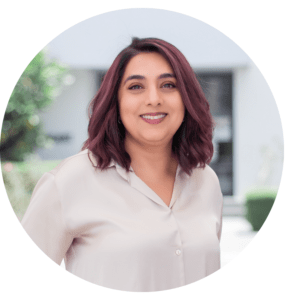
Known for her collaborative approach, Vila has worked extensively with educators, parents, and caregivers to ensure that children receive consistent and effective support across all settings. She is deeply committed to evidence-based practice, and she finds nothing more rewarding than witnessing the progress of the children she works with and celebrating each milestone with their families.

Register now!


Understanding Dyslexia Assessment

This session is designed to guide parents and caregivers in understanding the importance of dyslexia assessments, when they may be needed, and how they can positively impact a child’s learning journey.

The webinar will provide practical insights to help families recognize the value of early and accurate assessments, ensuring children receive the right support to unlock their full potential.

Objectives

By the end of this session, participants will:

Understand what a dyslexia assessment is and how it works.
Identify who may benefit from undergoing a dyslexia assessment.
Learn what changes and outcomes to expect after a dyslexia assessment.

About the Speaker

Understanding Dyslexia Assessment 9Zara Mirza is an accomplished educator and advocate with a Master’s degree in Inclusion and Special Education from the University of Birmingham. She is an Associate Member of The British Dyslexia Association and a Member of PATOSS-UK.

With over 20 years of experience, Zara has specialized in supporting children with dyslexia, ADHD, autism, and other learning challenges in both the UK and UAE. Her expertise is underpinned by advanced certifications in Orton-Gillingham, Science of Reading, and other evidence-based approaches.

At TDCC, Zara serves as the Dyslexia Assessor and Head of Learning Support Services, where she plays a vital role in advancing neurodiversity advocacy and promoting inclusive practices. She continues to be a prominent voice for inclusive representation in autism research and interventions.


Register now!


The Developing Child Centre Receives Prestigious Parent-Friendly Label Award from His Highness Sheikh Mohamed bin Zayed Al Nahyan

Abu Dhabi, UAE | In a proud and historic moment for The Developing Child Centre (TDCC), the organization has been officially awarded the Parent-Friendly Label by the Abu Dhabi Early Childhood Authority (ECA). The award was presented during a distinguished ceremony at Qasr Al Bahr in Abu Dhabi, under the patronage and presence of His Highness Sheikh Mohamed bin Zayed Al Nahyan, President of the UAE.

The Parent-Friendly Label, now in its third cycle, recognizes institutions that go above and beyond in creating supportive, inclusive, and flexible working environments for parents. It highlights workplaces that empower working mothers and fathers to thrive both professionally and personally—demonstrating how employee well-being and family life can coexist in harmony.

Ms. Donna Cara, Head of HR and Administrative Operations at TDCC, received the award on behalf of the Centre and its visionary founder, Ms. Nof Al Mazrui

“At TDCC, we’ve always prioritized supporting parents, both the families we serve and our team. Our commitment to flexibility, empathy, and family-first values was further strengthened  by adapting the Parent-Friendly Label. We remain dedicated to empowering families, valuing employees, and putting children at the heart of all we do,” shared by Ms. Al Mazrui.

“This recognition is a powerful testament to TDCC’s unwavering commitment to family, inclusion, and holistic well-being. We are proud to be a role model in fostering a workplace culture that truly supports parents, caregivers, and children,” shared by Ms. Cara

National Commitment to Family-Centered Workplaces

During the award ceremony, His Highness Sheikh Mohamed bin Zayed reaffirmed the UAE’s steadfast commitment to promoting family stability and cohesion, describing the family as the cornerstone of a resilient and prosperous society. His Highness emphasized the essential role families play in passing down national values and nurturing future generations who are capable of contributing meaningfully to the country’s ongoing development.

His Highness also highlighted the importance of parent-friendly workplaces in striking a healthy balance between professional duties and parenting responsibilities. These inclusive environments, he noted, are vital in cultivating positive institutional cultures that not only retain talent but support societal development.

The ceremony gathered esteemed dignitaries including HH Sheikh Ammar bin Humaid Al Nuaimi, HH Sheikh Hamdan bin Zayed Al Nahyan, HH Lt Gen Sheikh Saif bin Zayed Al Nahyan, and several senior officials, ministers, and members of the ECA judging panel.

TDCC: Championing Family and Inclusion

For over a decade, TDCC has championed inclusive practices for children of determination and their families. This award recognizes the Centre’s internal practices, mirroring the same values it extends to the wider community. TDCC’s workplace policies include flexible work arrangements, parental support, childcare considerations, and ongoing mental health and well-being initiatives for staff.

Receiving the Parent-Friendly Label solidifies TDCC’s role not just as a center for developmental support, but as a model employer aligned with national strategies for inclusive development.

A Ripple Effect in the Community

The impact of this recognition reverberates throughout the TDCC community, staff, parents, and stakeholders alike. It strengthens trust in TDCC’s leadership, fosters a culture of support and accountability, and affirms that when institutions prioritize the family, the whole society benefits.

With this achievement, TDCC is more inspired than ever to continue innovating and advocating for family-centered practices, serving as a beacon of hope, progress, and inclusion in the UAE and beyond.