Dyslexia and Dysgraphia: Educational Strategies that Work

Children with dyslexia and dysgraphia often possess remarkable strengths and potential, yet they may face significant challenges with reading, writing, spelling, and academic performance. Without the right support, these difficulties can impact not only learning outcomes but also a child’s confidence and motivation in school.

Join Praveen A.V., Intervention Specialist and Educational Psychologist at The Developing Child Centre, for an informative and practical webinar designed for parents, educators, and professionals.

This webinar will explore how dyslexia and dysgraphia present in children, discuss proven instructional approaches, and provide practical guidance for creating supportive learning environments at home and in school.


Learning Objectives

By the end of this webinar, participants will be able to:

1. Understand the key signs of dyslexia and dysgraphia and how they may affect a child’s reading, writing, spelling, and academic confidence.

2. Explore evidence-based educational strategies, including multi-sensory and structured approaches, to support children with literacy and writing challenges.

3. Learn practical ways parents, teachers, and professionals can work together to build effective support plans for children at home, in school, and during intervention.


What You Will Learn

Early Signs and Challenges

Learn how to recognize the common indicators of dyslexia and dysgraphia and understand how these learning differences can impact academic performance, self-esteem, and day-to-day learning experiences.

Multi-Sensory Approaches

Discover why multi-sensory teaching methods are considered best practice for supporting children with literacy difficulties and how they engage multiple pathways for learning.

Practical Reading and Writing Strategies

Explore effective, evidence-based techniques that can help children strengthen reading accuracy, spelling skills, written expression, and overall learning confidence.

Support Across Home and School

Understand the importance of consistency and collaboration between parents, educators, and intervention specialists in creating meaningful and sustainable progress for children.

About the Speaker

Decoding Learning Differences: A Guide to Dyslexia and Dysgraphia 4

Praveen A.V. is a seasoned Intervention Specialist and Educational Psychologist at The Developing Child Centre with over 20 years of experience in the field of psycho-educational assessments and interventions. He holds both a Master’s and Bachelor’s degree in Psychology and is certified in structured literacy approaches such as Alpha to Omega, Slingerland, and Wilson. Praveen has worked extensively across various educational curricula, including UK, US, CBSE, and IB, and is passionate about inclusive, individualized learning support. His expertise in early identification and multi-sensory intervention makes him a trusted guide for families and professionals alike.

Whether you are a parent seeking answers, an educator supporting diverse learners, or a professional working with children with learning difficulties, this webinar will provide valuable insights and practical strategies that can make a meaningful difference in a child’s educational journey.

Register now.

Our Brain at Work, Rest and Play

The Developing Child Centre (TDCC) is pleased to invite parents, educators, and professionals to an insightful webinar titled Our Brain at Work, Rest and Play, presented by Debbie Gilmore, Executive Director of the Arrowsmith Program.

This session will explore how the brain supports learning, attention, problem-solving, and everyday functioning, while also highlighting the important role of rest, play, and routine in healthy brain development. Participants will gain practical, brain-based insights into how children can be supported more effectively across home and school environments.

Objectives

By the end of the webinar, participants will be able to:

1. Understand how the brain supports learning, attention, problem-solving, and daily activities.

2. Explore how rest, play, and routine contribute to healthy brain development and cognitive growth.

3. Learn how parents and teachers can support children’s brain-based learning in everyday situations.

Key Learning Areas

This webinar will highlight six important learning areas that shape a child’s development and learning:

Brain and Learning
Understand how learning is connected to the way different brain functions work together, influencing how children process, respond, and engage in daily learning experiences.

Attention and Memory
Explore the important role of attention and memory in helping children focus, retain information, and participate more successfully in learning.

Thinking Skills
Learn more about the cognitive processes involved in reasoning, problem-solving, understanding, and making connections in everyday learning situations.

Rest, Play, Routine
Recognize how rest, play, and routine support healthy brain development and help children regulate, engage, and prepare for learning.

Cognitive Growth
Gain insight into how cognitive abilities develop over time and how the brain continues to grow through meaningful experiences and support.

Stronger Learning Foundations
Understand the importance of strong cognitive foundations in supporting long-term progress in learning, independence, and everyday functioning.

An Arrowsmith-Informed Perspective

Through an Arrowsmith-informed perspective, this webinar will help participants understand that learning is shaped by underlying cognitive functions such as attention, memory, reasoning, and processing. It will also highlight how everyday experiences like rest, play, and routine support healthy brain development, while emphasizing the importance of strengthening cognitive foundations to support long-term learning, growth, and independence. 

Learn more about the Arrowsmith Program.

About the Speaker

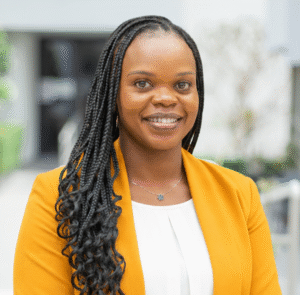
Math Made Easy: Boosting Your Child's Numeracy Skills and Confidence 4Debbie Gilmore has enjoyed a varied career in educational leadership, and now is helping bring about an educational revolution.  As teacher, literacy adviser, assistant principal, principal and administrator, Debbie always sought programs that were innovative, inclusive and made a meaningful impact in the lives of students. When she found Arrowsmith, it transformed her understanding of what was possible. After spearheading an initiative to bring Arrowsmith to schools in Sydney’s Catholic Education Office where she was Head of Diverse Learning, Debbie joined Arrowsmith as Executive Director.  Since 2013 she has been leading the strategic growth and development of Arrowsmith, and every day speaks to educational leaders about the power and potential that cognitive programming can have in deepening life long learning experiences. As a parent she has seen first hand how Arrowsmith can transform the brains and lives of students and the community that surrounds them.
Join us for this valuable session and gain practical insights into how understanding the brain can support children’s learning, development, and everyday success.


Register now.

Toilet Training in Neurodiverse Children – Part 2

Toilet training can be a meaningful milestone for children, but for neurodiverse learners, the journey may require additional understanding, patience, structure, and individualized support. Following the first part of this topic, Toilet Training in Neurodiverse Children – Part 2 will continue the discussion by focusing on common barriers that may affect a child’s toilet training progress and how families, educators, and therapists can respond with practical and supportive strategies.

This webinar will explore challenges such as sensory sensitivities, communication difficulties, anxiety, resistance, accidents, and inconsistent routines. The session will also highlight the importance of collaboration between home, school, and therapy teams to create a consistent and encouraging approach that supports each child’s confidence and independence.

Objectives

By the end of the webinar, participants will be able to:

1. Understand common barriers that may affect toilet training progress, including sensory sensitivities, communication difficulties, anxiety, and resistance.

2. Learn practical ways to respond to setbacks, accidents, refusal, and inconsistent toilet routines with patience and structure.

3. Explore strategies to strengthen collaboration between parents, educators, and therapists to support consistency across home, school, and therapy settings.

About the Speaker

Toilet Training in Neurodiverse Children – Part 2 1Caroline Waweru is a distinguished Senior Lead Educator in the Inclusive Education Services at The Developing Child Centre, bringing 14 years of impactful experience in supporting neurodiverse learners. She holds a Bachelor of Arts in Education and Counseling and is currently completing her Master of Arts in Counseling.

Caroline holds certifications in The Intensive Early Intervention and School Readiness Programme, the ADOS-2 course, and SCERTS1. She is also trained as a Safeguarding Lead, reflecting her strong commitment to child protection and inclusive educational practices.

Her expertise includes Individualized Education Plans, counseling, Team Around the Child collaboration, and the application of evidence-based strategies. Through her experience, Caroline supports children, families, educators, and multidisciplinary teams in creating inclusive learning spaces and coordinated support systems that help neurodiverse learners progress with confidence.

Register now.

From Frustration to Connection: Understanding Gestalt Language Processing (GLP)

This session will explore how language can develop in different ways and why understanding these differences is essential in supporting children more effectively. The webinar will help parents, educators, and professionals better understand Gestalt Language Processing, recognize the meaning behind repetition and scripts, and respond in ways that strengthen communication, connection, and emotional wellbeing.

Objectives

To help participants understand how Gestalt Language Processing differs from other language development pathways.

To increase awareness of how echolalia, scripts, and repeated language can reflect meaningful communication.

To share supportive approaches that reduce pressure, build connection, and promote regulation and communication across home, school, and therapy settings.

About the Speaker

Nazla Poonthala is a highly experienced Speech and Language Therapist with over a decade of experience supporting children with autism, apraxia, ADHD, communication difficulties, and other developmental needs. She holds a Master of Health Science in Clinical Child Development and a Bachelor’s degree in Audiology and Speech-Language Pathology from the National Institute of Speech and Hearing, India. Nazla has advanced training in Gestalt Language Processing, neurodiversity-affirming practices, OPT, AAC, and sensory-based speech and language therapy. She is known for her child-led, play-based approach that helps children build meaningful communication through connection, trust, and individualized support. Passionate about empowering both children and families, Nazla brings strong clinical expertise and a warm, inclusive approach to every stage of the communication journey.

Register now!

Mental Health and Learning: How Emotional Wellbeing Shapes Attention, Behaviour, and Progress

As part of TDCC’s Mental Health Month initiatives, we are pleased to invite parents, educators, and caregivers to our upcoming webinar, “Mental Health and Learning: How Emotional Wellbeing Shapes Attention, Behaviour, and Progress.”

This session will explore the important connection between a child’s emotional wellbeing and their ability to focus, participate, manage behaviour, and make progress in learning. When children experience stress, anxiety, overwhelm, or emotional dysregulation, these challenges may appear as attention difficulties, changes in behaviour, reduced confidence, or struggles in school performance.

Through this webinar, participants will gain a deeper understanding of how mental health influences learning and how adults can provide meaningful support at home and in school.

Objectives

By the end of the webinar, participants will be able to:

1. Understand how emotional wellbeing affects attention, behaviour, and learning.

2. Recognise signs of stress, anxiety, and emotional dysregulation in children.

3. Learn practical strategies to support regulation, confidence, and learning readiness.

About the Speaker

Supporting Children with Autism: Practical Strategies for Emotional Regulation, Learning, and Inclusion 4Ataa Attoun is an Educational Psychologist with over 10 years of clinical experience supporting children and adolescents across diverse settings. She holds a Master’s degree in Community Psychology.

Throughout her career, Ataa has led counselling and wellbeing services, conducted psychological assessments, trained teachers and Learning Support Assistants, and worked closely with families and schools to address children’s academic, social, and emotional needs.

Her experience in counselling, special educational needs, and Applied Behavior Analysis brings valuable insight to this session on understanding how emotional wellbeing shapes children’s attention, behaviour, and learning progress, while offering practical support strategies for parents and educators.

Register now!

Children’s Mental Health in a Digital World: Helping Them Feel Safe, Regulated, and Ready to Learn

As part of TDCC’s May Mental Health series, we are pleased to present an insightful webinar led by Dr. Kayleigh Sumner, Educational Psychologist, on the important connection between children’s mental health, emotional regulation, and readiness to learn in today’s digital world.

This webinar is designed for parents, educators, and advocates who want to better understand how emotional wellbeing, daily routines, and screen habits can affect a child’s ability to engage, cope, and thrive at home and in school. The session will offer practical guidance on recognising early signs of stress, emotional dysregulation, and screen-related overload, while sharing supportive strategies that help children feel safe, connected, and ready to learn.

Objectives

By the end of this webinar, participants will be able to:

1. Understand how emotional wellbeing, daily routines, and screen habits can influence a child’s sense of safety, regulation, and readiness to learn.

2. Recognise early signs of stress, emotional dysregulation, or screen-related overload in children across home and school settings.

3. Learn practical strategies to support healthy screen time habits, strengthen emotional regulation, and promote better focus, wellbeing, and learning.

About the Speaker


Children’s Mental Health in a Digital World: Helping Them Feel Safe, Regulated, and Ready to Learn 2Dr. Kayleigh Sumner is an Educational Psychologist with over 15 years of experience working with children and young people in the UK and UAE. She holds a Doctorate in Applied Educational Psychology and specialises in positive psychology and wellbeing, with a strong focus on children’s social, emotional, and academic development.

An international keynote speaker, Dr. Kayleigh has presented in the UK, Dubai, France, Miami, and Bahrain. She works closely with schools to implement mental health awareness programmes and also leads community workshops that support children, families, and educators. Passionate about nurturing emotional intelligence and resilience, she is committed to helping children feel supported, understood, and prepared for lifelong success.

Register now!


Supporting Children with Autism: Practical Strategies for Emotional Regulation, Learning, and Inclusion

As part of TDCC’s Autism Webinar Series, The Developing Child Centre is pleased to present an insightful session on Supporting Children with Autism: Practical Strategies for Emotional Regulation, Learning, and Inclusion. This webinar will explore how autism can influence a child’s emotional responses, learning experiences, and participation across everyday settings. With a focus on practical and evidence-based strategies, the session is designed to support parents, educators, and professionals in creating more responsive, structured, and inclusive environments where children with autism can feel understood, supported, and empowered to thrive.


Objectives


By the end of this webinar, participants will be able to:

1. Identify key factors influencing emotional regulation in children with autism

2 Apply evidence-based strategies to support learning and manage dysregulation

3. Develop inclusive, structured environments that enhance participation across home, school, and community settings


About the Speaker


Supporting Children with Autism: Practical Strategies for Emotional Regulation, Learning, and Inclusion 3Ataa Attoun is an Educational Psychologist at The Developing Child Centre with over 10 years of clinical experience supporting children and adolescents across diverse educational and therapeutic settings. She holds a Master’s degree in Community Psychology and brings extensive expertise in counselling, psychological assessment, teacher training, and child development support. Throughout her career, she has led counselling and wellbeing services, worked closely with families and schools, and supported children with a wide range of academic, social, and emotional needs. Her background in counselling, special educational needs, and Applied Behavior Analysis brings a strong and practical perspective to this webinar, helping participants better understand how to support children with autism in meaningful and effective ways.

Register now!

Understanding the Neurodivergent Brain: The Roots of Autism, ADHD, and Developmental Delays and How We Can Support Improvement

In celebration of Autism Awareness Month, The Developing Child Centre (TDCC) is proud to present a specialized webinar designed to deepen understanding of the neurodivergent brain and its impact on children’s learning, behavior, and development.

This session will explore how the brain processes sensory and emotional information, and how these processes influence a child’s ability to engage, regulate, and interact with their environment. With a focus on autism, ADHD, and developmental delays, the webinar aims to provide parents, educators, and professionals with meaningful insights into the underlying mechanisms that shape behavior and learning.

Participants will also gain an understanding of how targeted, brain-based approaches can support children in achieving improved regulation, stronger connections, and long-term developmental progress.

Objectives

By the end of this session, participants will be able to:

1. Understand how the brain processes and integrates sensory and emotional information

2. Recognize how these processes differ in children with autism, ADHD, and developmental delays

3. Identify how disruptions in regulation can impact learning, behavior, and communication

4. Explore how brain-based approaches can support improved regulation and development

5. Gain practical insights to better support children across home, school, and therapy settings


A Deeper Understanding of the Neurodivergent Brain

How the brain acquires, processes, and integrates information from the body and environment

Understand how sensory inputs (touch, movement, internal sensations) and emotional experiences are received, interpreted, and integrated by the nervous system. Explore how these inputs shape brain development, neural organization, and the child’s ability to interact with their environment.

How these neuro-sensory and neuro-emotional mechanisms are altered in autism, ADHD, and developmental delays

Discover how disruptions in sensory processing, neural integration, and regulation can impact attention, behavior, emotional responses, and learning. Understand the underlying patterns that lead to difficulties in communication, adaptation, and development.

How targeted, brain-based approaches such as Neurolink can support regulation and developmental progress

Explore how specific interventions focused on the nervous system can help restore more efficient information processing, improve brain-body communication, and support the child’s developmental potential in a lasting and adaptive way

About the Speaker

Understanding the Neurodivergent Brain: The Roots of Autism, ADHD, and Developmental Delays and How We Can Support Improvement 4Dr. Olivier Carpentieri is an osteopath and neuro-functional rehabilitation specialist with over 15 years of experience, supporting more than 30,000 patients worldwide. He is the Founder of the NeuroLink Institute and the only NeuroLink specialist in the Middle East.

Dr. Olivier’s work focuses on strengthening the connection between the brain and body through gentle, non-invasive techniques that support nervous system regulation and overall functioning. He specializes in working with children with developmental, learning, and sensory challenges, helping them improve regulation, coordination, and well-being.

His collaboration with TDCC reflects the centre’s ongoing commitment to providing holistic, evidence-based interventions that empower children and families.

At TDCC, we believe that every child’s journey is unique. Through knowledge, collaboration, and the right support, we can empower children to reach their fullest potential.

Register now!

Autism and Communication: Evidence-Based Strategies for Supporting Children at Home and in the Classroom

Communication is a fundamental part of how children connect with the world around them. For children on the autism spectrum, language and communication may develop in unique ways that can sometimes be misunderstood by adults at home or in school. Understanding these differences is key to providing meaningful support that helps children express themselves, build relationships, and participate confidently in everyday activities.

In this informative webinar, Malak Azizieh, Speech and Language Therapist at The Developing Child Centre, will share evidence-based insights into how autistic children develop and use language. Participants will explore practical strategies that parents, educators, and professionals can use to support communication across daily routines at home and in the classroom. The session will also introduce approaches to supporting gestalt language processors and creating communication-friendly environments that encourage interaction and understanding.

Objectives

By the end of this webinar, participants will be able to:

1. Understand how autistic children develop and use language, including gestalt language processing and how communication differences may appear in daily interactions.

2. Identify practical, evidence-based strategies that adults can use to support communication during everyday routines at home and in school.

3. Learn ways to create communication-supportive environments that encourage engagement, connection, and language development.

4. Gain insights into supporting gestalt language learners and fostering more meaningful communication opportunities.

About the Speaker

Autism and Communication: Evidence-Based Strategies for Supporting Children at Home and in the Classroom 5Malak Azizieh, MS, CCC-SLP is a U.S.-trained Speech and Language Therapist with over six years of clinical experience. She holds a Master’s in Speech, Language, and Learning from Northwestern University and a Bachelor’s in Psychology with a Minor in Applied Developmental Psychology from the University of California, Los Angeles. Malak is certified by the American Speech-Language-Hearing Association (ASHA) through the Certificate of Clinical Competence in Speech-Language Pathology (CCC-SLP).
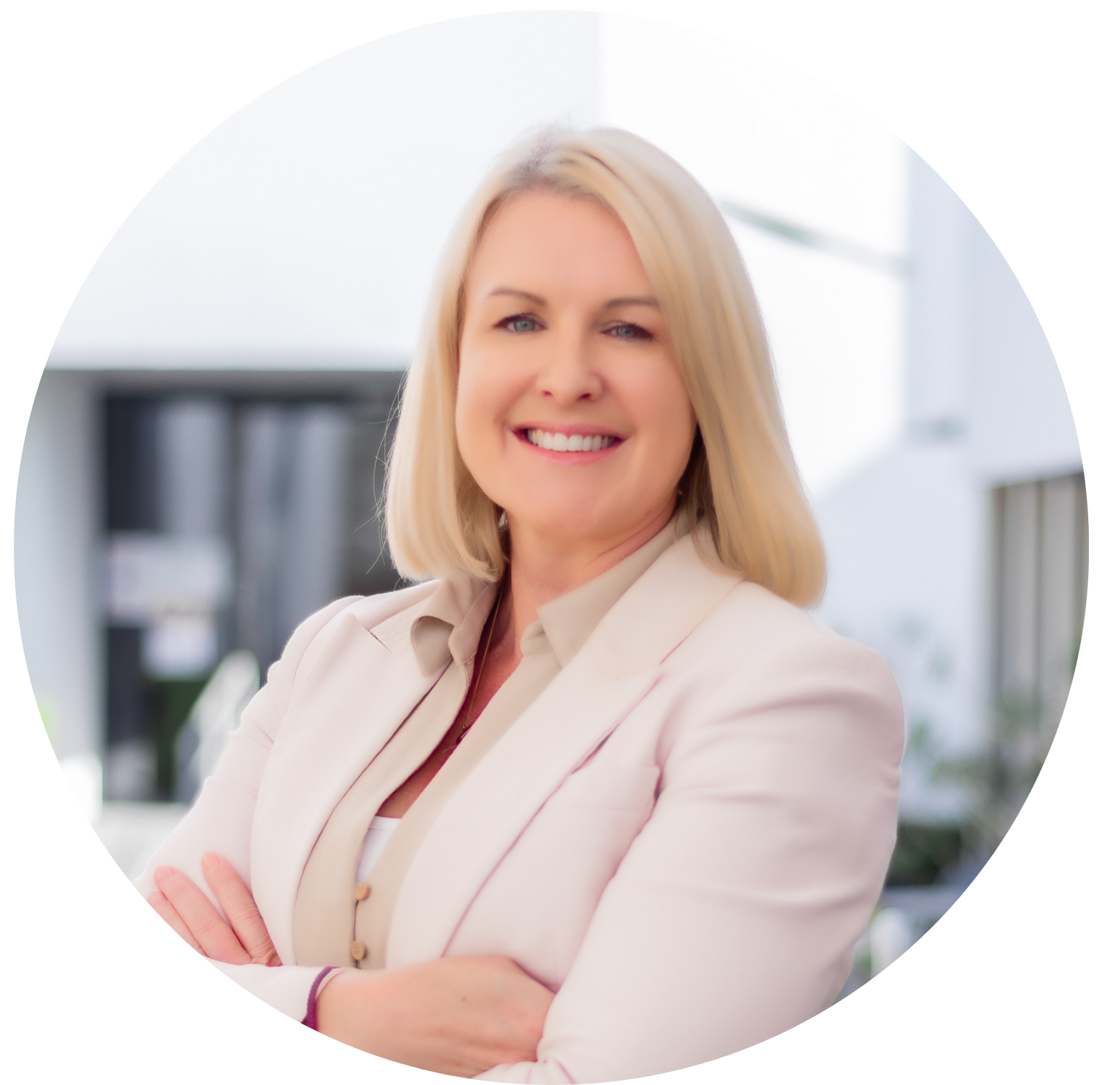
She completed advanced interdisciplinary training at the UC Davis MIND Institute, specializing in autism assessment and early identification, including ADOS-2 administration. Her clinical expertise includes autism, language disorders, childhood apraxia of speech, and Augmentative and Alternative Communication (AAC). Malak has received specialized training in the Early Start Denver Model, SCERTS, Hanen More Than Words® and It Takes Two to Talk®, and Dynamic Tactile and Temporal Cueing (DTTC). Her work is grounded in evidence-based practices and focuses on empowering families, educators, and professionals to support meaningful communication outcomes for children.

Register now.

The Superpower of Sleep for School-Aged Children

The Developing Child Centre (TDCC) invites parents, educators, and professionals to join an informative online webinar on sleep and child development, led by Joanne Thomas, Head of Occupational Services in Abu Dhabi.

Sleep plays a vital role in a child’s brain development, emotional regulation, academic performance, and overall wellbeing. However, many school-aged children in Dubai and across the UAE experience sleep challenges that affect their attention, learning capacity, and behavior in school.

In this expert-led session, participants will gain evidence-based insights into how healthy sleep routines can significantly improve children’s mental health, focus, and long-term developmental outcomes. This webinar is particularly valuable for families of children with autism, ADHD, sensory processing differences, and other neurodevelopmental conditions.

Webinar Objectives

By the end of this session, participants will:

1. Understand age-appropriate sleep needs for school-aged children

2. Recognize common childhood sleep disturbances and their impact on cognition, learning, and behavior

3. Learn practical, occupational therapy-based strategies to support healthy sleep routines at home

This session provides actionable strategies that parents and educators in the UAE can immediately implement to support children’s academic success and emotional wellbeing.

About the Speaker

The Superpower of Sleep for School-Aged Children 6Joanne Thomas is a senior Occupational Therapist with over 26 years of international experience across the UK, New Zealand, Australia, and the UAE. She specializes in sensory integration, sensory modulation, and trauma-informed interventions for children and adolescents.

Currently completing advanced CLASI Ayres Sensory Integration training, Joanne has extensive expertise in supporting children with autism spectrum disorder (ASD), ADHD, and complex developmental needs.

After completing advanced training and mentorship in sleep assessment and intervention for children with autism and developmental disabilities in Australia, Joanne became deeply committed to raising awareness about the powerful role of sleep in child development. She is passionate about sharing practical, evidence-based strategies that can positively transform children’s mental wellbeing, educational performance, and overall health — because sleep truly is a superpower.

Register now!