Sensory Integration Therapy
Our senses take in a constant stream of information: touch, movement, body awareness, sight, sound, smell, taste and the pull of gravity.
The way the brain organises and makes sense of this information is called sensory integration. Sensory integration (SI) lays an essential foundation for more complex learning and behaviour later on.
For most children, sensory integration develops naturally through everyday childhood play and activities. The ability to plan movements and to adapt to new sensations grows out of this process. For some children, though, sensory integration doesn’t develop as smoothly as it should. When this happens, difficulties with learning, development and behaviour can start to appear.
Not every child with learning, developmental or behavioural difficulties has an underlying sensory processing difficulty. Sensory processing difficulties are often described as a “hidden” problem, because they are less obvious than a physical disability or a speech delay. A child with sensory integration difficulties may become easily frustrated by tasks that seem simple, or by everyday interactions with others. They often need extra understanding and support just to manage routine activities that other children find easy. There are some signs, however, that may suggest to parents that sensory difficulties could be present.
These include:
- Over-sensitivity to touch, movement, sights, smells, tastes or sounds. Your child may become irritable or withdraw when touched, avoid certain clothing or food textures, be easily distracted, or seem fearful of ordinary movement activities such as swinging or spinning.
- Under-responsiveness to sensory input. An under-responsive child may actively seek out sensation, for example by spinning or crashing into people and objects. They may seem unaware of pain or of where their body is in space. Some children swing between over- and under-responsiveness.
- Unusually high or low activity levels. Your child may be constantly on the go, or may be slow to get started and tire easily. Again, some children move between both extremes.
- Coordination difficulties. These can show up in both gross and fine motor activities. Some children have noticeably poor balance, while others find it very hard to learn new tasks that need coordination.
- Delays in speech, language, motor skills or learning. In preschool children, these may appear alongside other signs of sensory difficulties. In school-aged children, there may be difficulties in certain subjects that can’t be explained by the child’s ability.
- Difficulty organising behaviour. Your child may be impulsive or easily distracted, and may approach tasks without a plan. Some children struggle to adapt to new situations, while others respond to setbacks with frustration, aggression or withdrawal.
- Low self-esteem. A child with sensory processing difficulties often feels that something “isn’t quite right”. A bright child may realise that some tasks feel harder for them than for others, without understanding why. They may come across as bored, lazy or unmotivated. Some children find ways to avoid tasks that feel difficult or embarrassing, and may then be seen as difficult or stubborn. When the cause isn’t clear, parents and children may blame themselves, which can lead to family stress, low self-esteem and a sense of hopelessness.
How we help: Sensory Integration Therapy in Abu Dhabi
Sensory Integration Therapy is a recognised occupational therapy approach used to support children with a range of needs, not only autism. Our occupational therapists see a well-developed sensory system as the foundation for motor skills, executive functioning and positive behaviour.
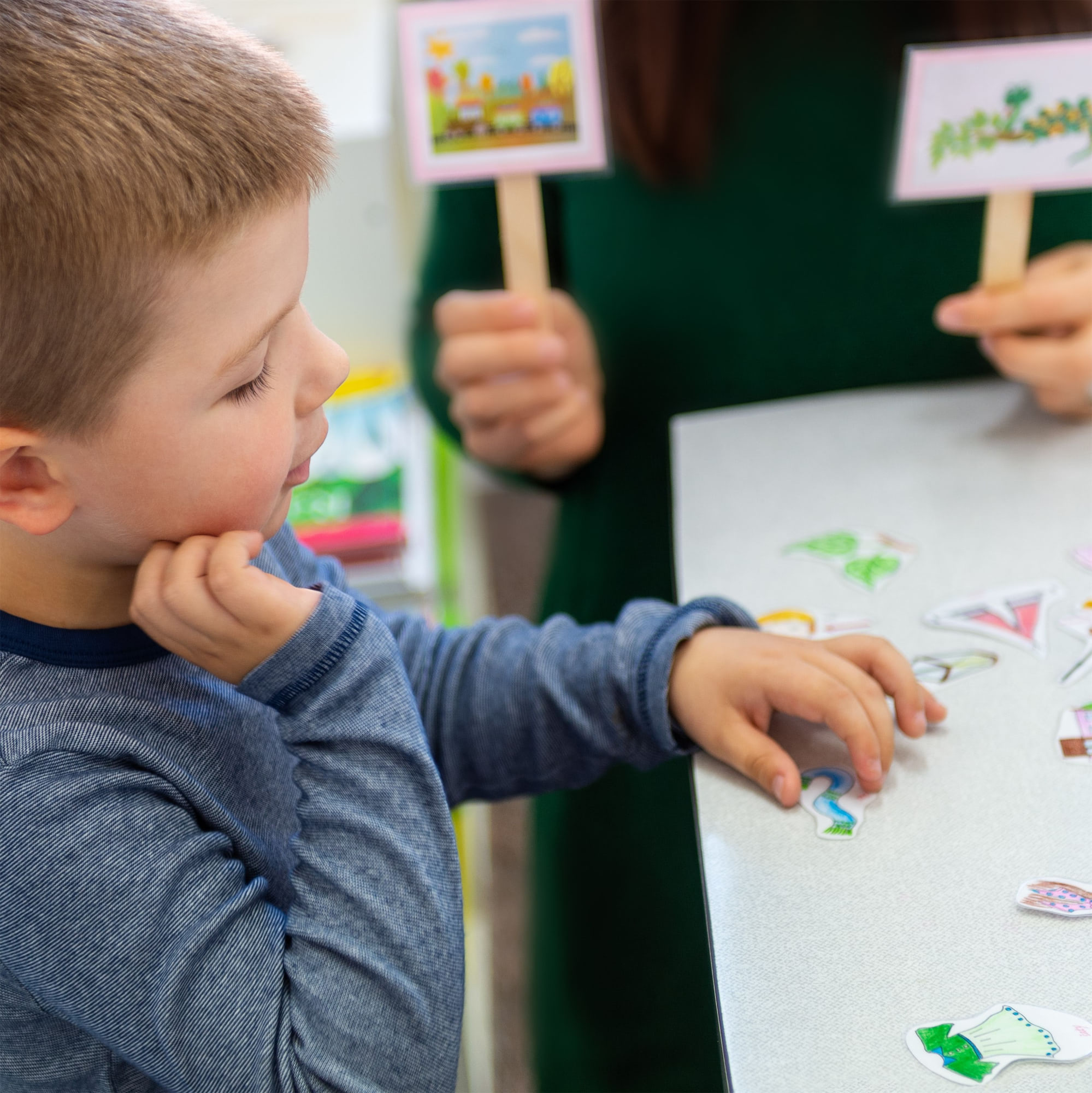
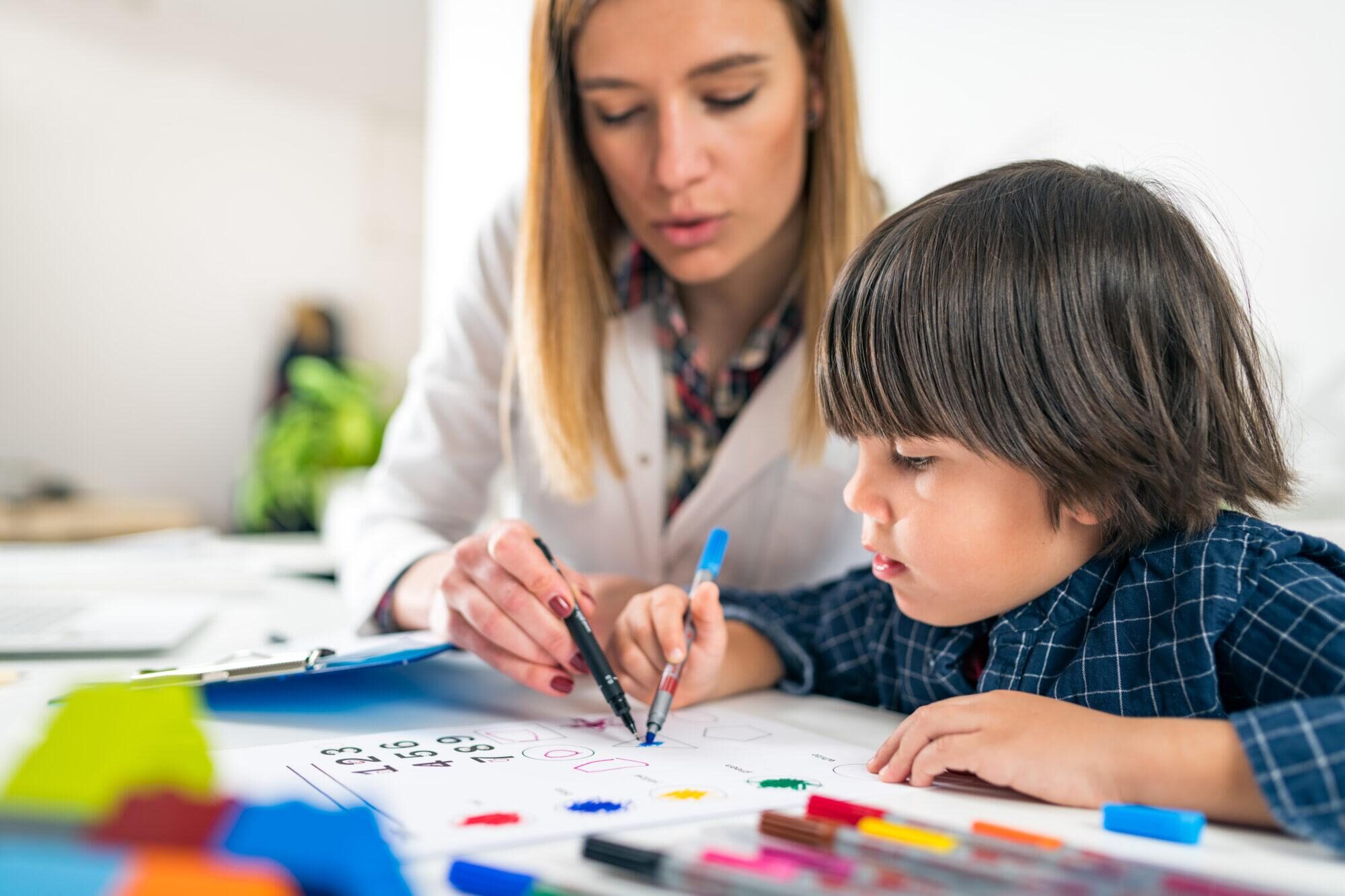
Our Abu Dhabi therapists use standardised assessments, clinical observation, parent interviews and questionnaires to build a detailed understanding of your child’s sensory needs. Through fun, play-based activities, your child’s therapist helps their brain respond in a more balanced way to touch, sound, sight and movement, which in turn supports calmer, more organised behaviour.
Sessions take place in our specially equipped sensory gym at TDCC Abu Dhabi. It includes a variety of swings, trampolines, therapy brushes, gym balls and soft play equipment. These activities give your child new sensory experiences that help their nervous system respond in more helpful ways. The therapist then repeats and builds on these experiences so that new, more adaptive responses become part of your child’s everyday behaviour.