Psychomotor Therapy
Psychomotor therapy is a healthcare discipline that takes a whole-person approach, looking at how the body and mind work together. It supports people with movement, cognitive, behavioural or emotional difficulties by improving the connection between body and mind. Using a range of techniques and activities, it promotes overall development, helping people achieve better mental health, physical wellbeing, social inclusion and progress at school.
Psychomotor therapy covers a wide range of work, including developmental stimulation, screening and prevention, assessment and diagnosis, early intervention and rehabilitation.
Psychomotor therapists work in many settings, including mainstream, inclusive and specialist schools, nurseries, specialist centres, rehabilitation centres, mental health clinics, hospitals (paediatric, geriatric and psychiatric units) and non-governmental organisations.
At TDCC Abu Dhabi, our psychomotor therapist observes, assesses, stimulates and helps develop the following areas:
- Body awareness: how a child perceives, organises and orients their body, and how they picture their own body.
- Muscle tone: control of muscle tone, and the link between muscle tension and emotional regulation.
- Laterality: understanding left and right, and developing a dominant hand, foot and eye.
- Time: understanding time concepts, orientation in time, organising and managing time, and rhythm.
- Space: understanding spatial concepts and orienting within space, as well as visual-construction and visual-perception skills.
- Gross motor skills: coordination while moving and while still, and balance.
- Fine motor skills: using both hands together, hand-eye coordination, using each hand independently, dexterity, hand praxis, fine grip and individual finger movement.
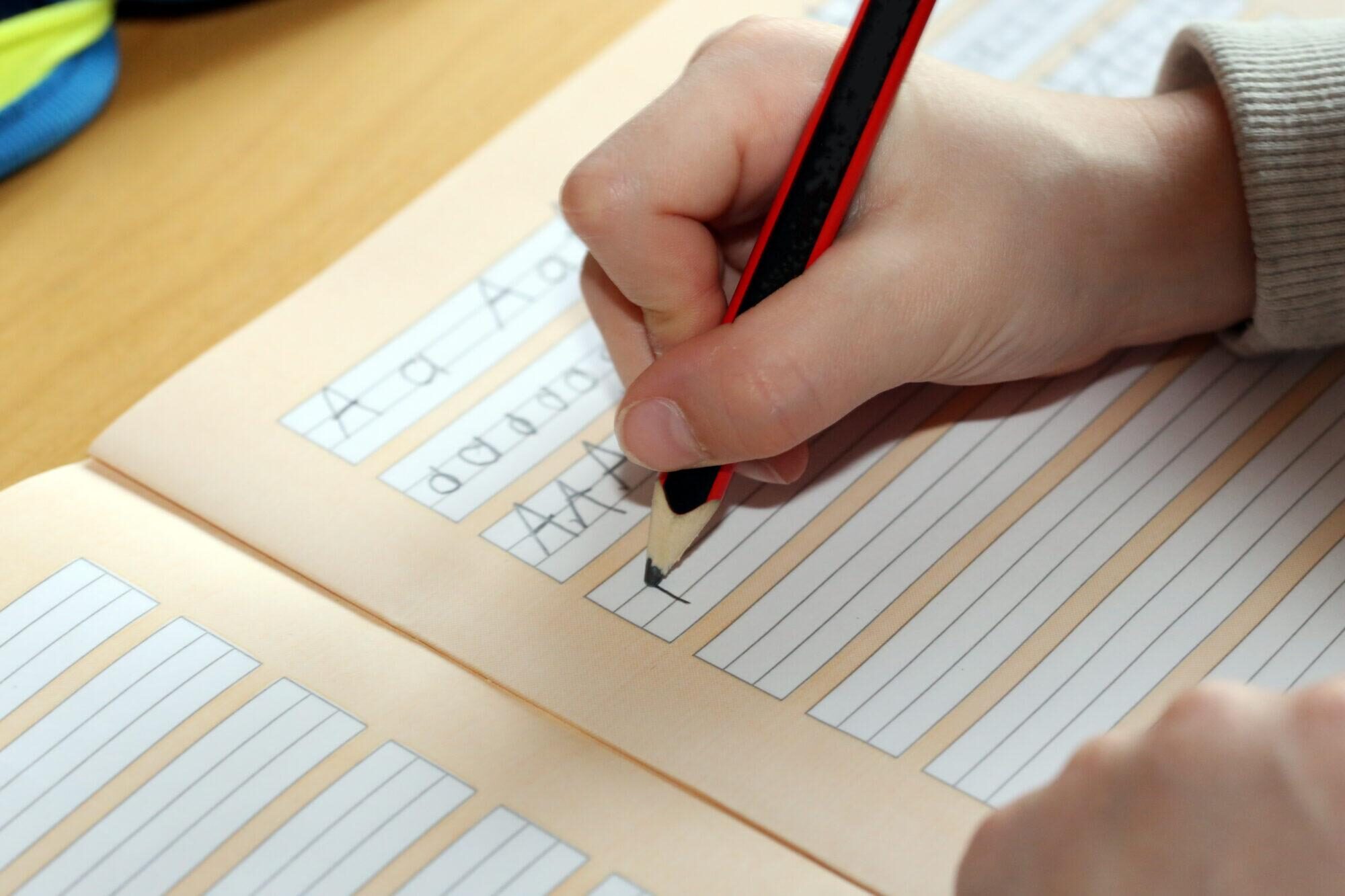
- Handwriting: pencil grip, visual decoding, posture, pencil pressure, accuracy, neatness and writing speed.
- Executive and cognitive functions: attention, memory, problem-solving, planning, impulse control and flexible thinking.
- Interaction and communication: verbal and non-verbal communication, object permanence, and emotional expression.
- Sensory modulation: responses to visual, touch, sound, body position (proprioceptive), movement and balance (vestibular), smell and taste input.
Who can benefit from psychomotor therapy?
Psychomotor therapy can support children and young people with global developmental delay, autism spectrum disorder, developmental coordination disorder (DCD/dyspraxia), ADHD, and specific learning difficulties such as dyslexia, dysgraphia and dyscalculia. It also helps those with intellectual disabilities, motor disorders, genetic conditions, and behavioural and emotional difficulties, including anxiety and low self-esteem. Children with visual or hearing impairments, sensory processing difficulties, or psychomotor difficulties without a neurological or intellectual cause can benefit too.
How psychomotor therapy works at TDCC Abu Dhabi
We begin with a meeting with parents to take a detailed developmental and medical history, and we may request medical tests if needed. Next comes the assessment. It combines clinical observation with standardised psychomotor tests, chosen to suit your child’s age and the reason for referral. You then receive a confidential psychomotor assessment report setting out the findings, along with a recommended intervention plan.
The intervention plan is tailored to your child. It sets short- and medium-term goals and includes practical recommendations for home and school, so that progress carries over into everyday life.
Where needed, the plan may recommend input from other specialists. It also includes regular contact with your child’s nursery or school and with any other professionals involved in their care.
Throughout therapy, our psychomotor therapist offers ongoing guidance and support to parents. This helps you stay actively involved in the plan and build your child’s skills and confidence across different settings.
Methods and techniques
Every intervention plan is individual. Our therapist uses both structured and child-led activities, built around your child’s interests, to work towards their goals in a way that feels fun and motivating.
Depending on your child’s needs, therapy may include:
- Relaxation, breathing techniques and massage
- Art-based activities such as painting and drawing
- Handwriting approaches, including the scribble method, the Jeannot method and Handwriting Without Tears
- Role play and pretend play
- Sensory integration and sensory-motor activities
- Cognitive and perceptual strategies, such as self-instruction and problem-solving programmes
- Body expression activities, including mime, drama, rhythm and expressing emotions
In short, psychomotor therapy focuses on the skills children need for everyday life. It supports mental and physical wellbeing, and builds the foundations for learning, self-confidence and independence. This helps children do better at school and feel more at ease in the world around them.